
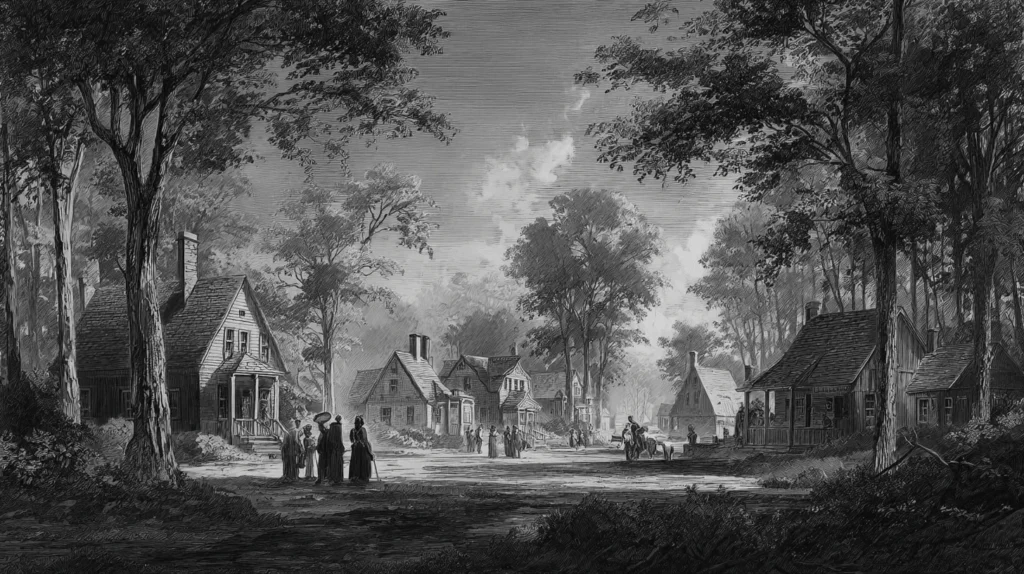
Walk into Central Park near West 85th Street and you will find a gentle slope shaded by scattered trees. Almost nothing suggests that families lived there for a generation. Yet Seneca Village stood on that ground for 32 years. It held the largest concentration of free Black property owners in New York City before the Civil War. Then the city took the land and cleared the buildings. Afterward the settlement slipped out of public memory for more than a century.
How Seneca Village Began
The story starts in the fall of 1825. John and Elizabeth Whitehead owned farmland in the west 80s and decided to subdivide it into 200 lots. Most white landowners in Manhattan would not sell to Black buyers. The Whiteheads did.
Read the full story
Join Madison Ave Magazine for unlimited access to exclusive content.
Start Your Free TrialAlready a subscriber? Sign in
Free 7-day trial · Cancel anytime
